Ah, the internet. The vast expanse of cat memes, social media, and endless scrolling. But did you know there’s a hidden side to it? A place where secrets are whispered, shady deals are made, and anonymity is king. Welcome to the Dark Web. Think of it as the digital equivalent of a mysterious alleyway in a bustling city.
What is the Dark Web?
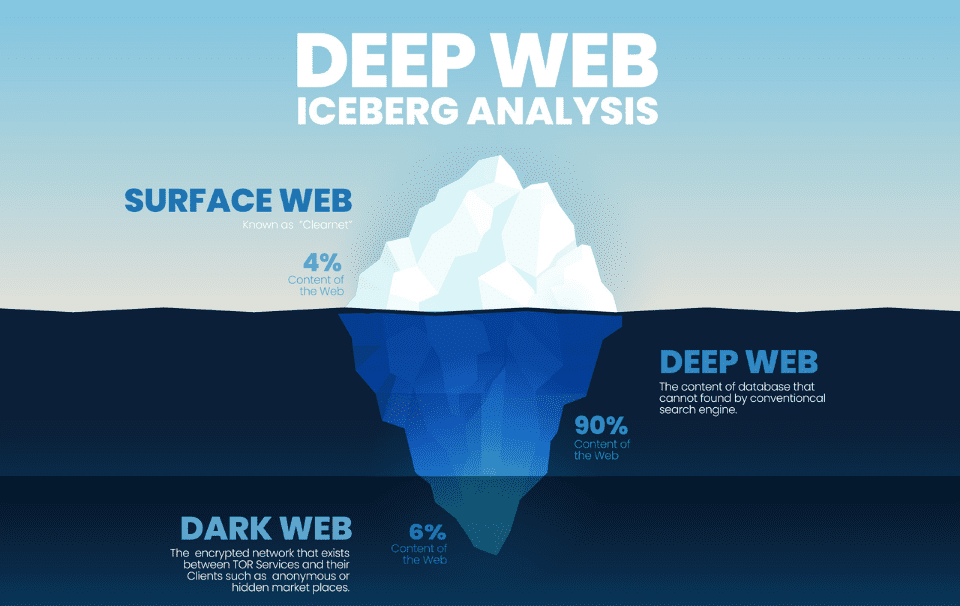
Imagine the internet as an iceberg. The part you see above water is the surface web, accessible to everyone with a browser and a search engine. Below that is the deep web, containing content not indexed by standard search engines—like your email inbox or private company databases. But even deeper, where light barely reaches, lies the Dark Web. This hidden network of websites requires special software like Tor (The Onion Router) to access, keeping users anonymous and untraceable.
The Origins
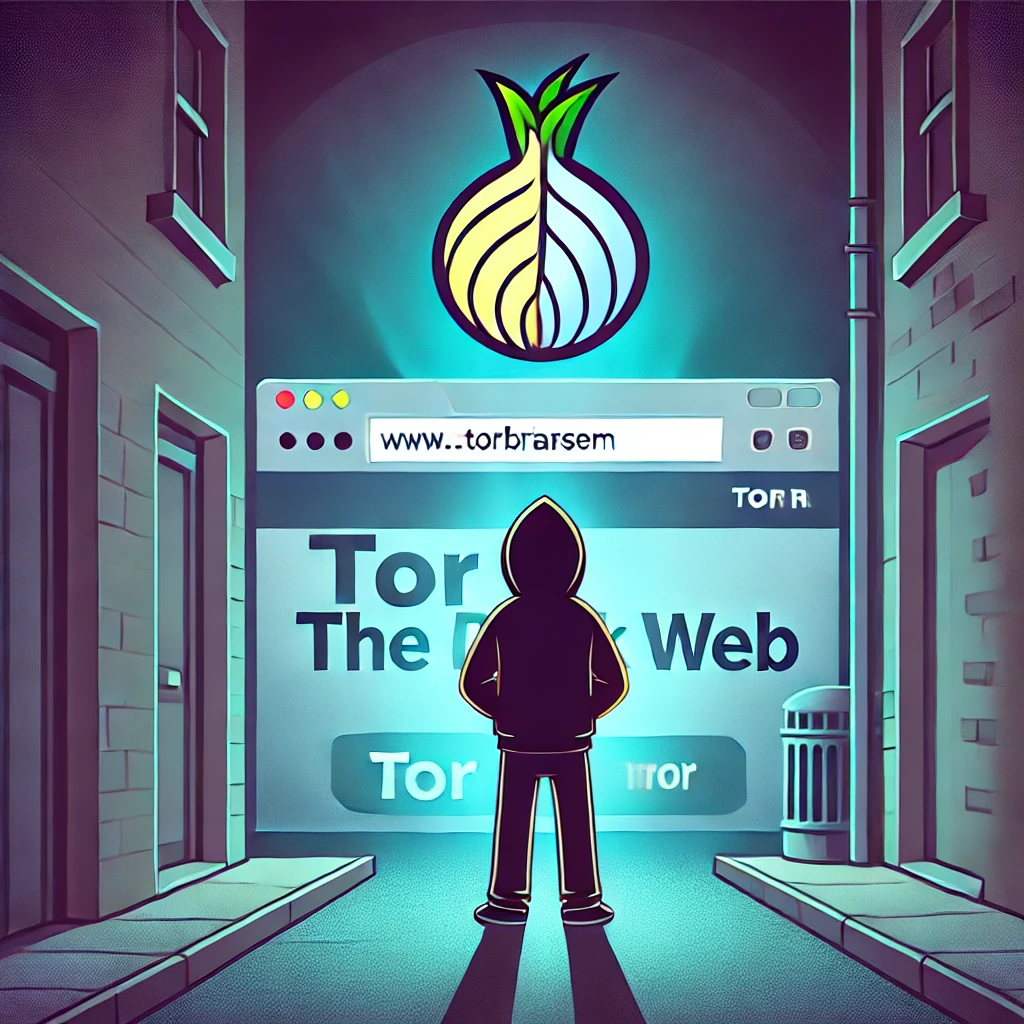
The Dark Web has a bit of a split personality. It was initially developed by the U.S. Navy to protect intelligence communications. Tor, the software that makes the Dark Web possible, anonymises your traffic by bouncing it through multiple servers around the world called nodes. This means you can browse without anyone tracking your every move. Sounds great, right? But this anonymity also attracts some interesting figures.
The Dark Web Economy
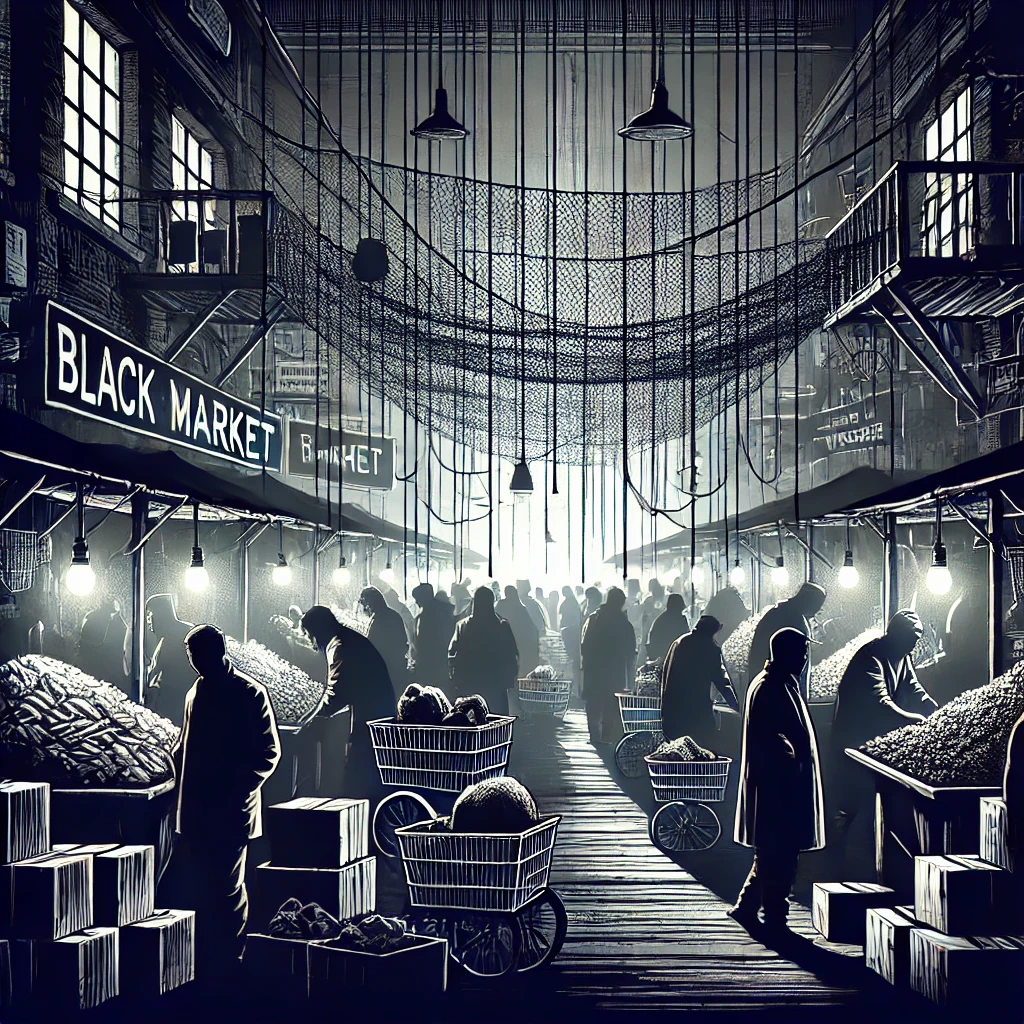
The Dark Web is infamous for its black markets, where you can find everything from illicit drugs and firearms to stolen data and counterfeit money. It’s like eBay, but for illegal goods. One of the most notorious marketplaces was Silk Road, shut down by the FBI in 2013, only to be replaced by a slew of other markets.
But it’s not all shady dealings:
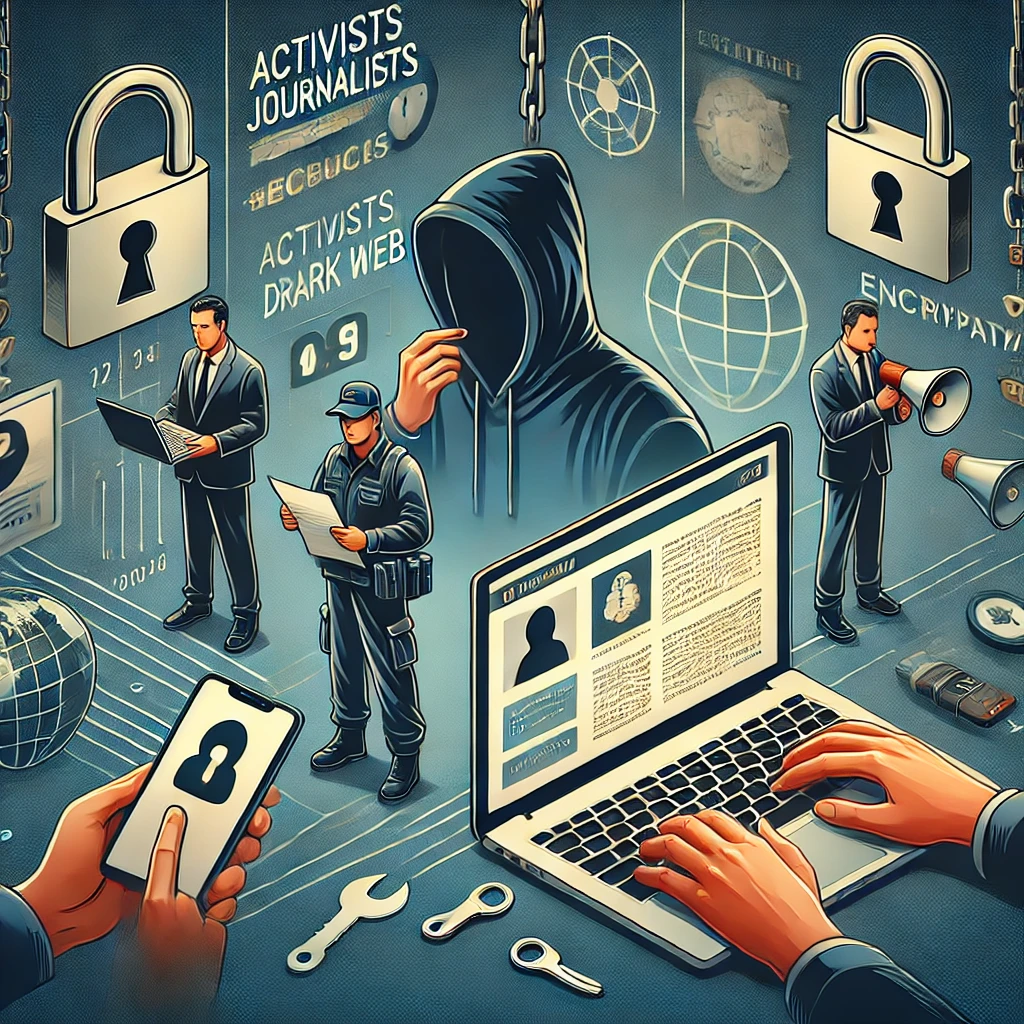
- Privacy and Free Speech: For activists, journalists, and dissidents in oppressive regimes, the Dark Web offers a platform to communicate and share information without fear of government surveillance.
- Whistleblowing: Platforms like SecureDrop let whistleblowers share sensitive information with journalists securely and anonymously.
- Research and Development: Cybersecurity pros use the Dark Web to understand threats, gather intelligence on cybercrime trends, and develop better defenses.
Navigating the Dark Web: The Good, the Bad, and the Ugly
Curious about exploring the Dark Web? Here are some tips to keep you safe:
Do:
- Use Tor Browser: This is your gateway to the Dark Web. It anonymizes your traffic, making it harder to trace.
- Practice Safe Browsing: Be very careful about links and downloads also keep your software up to date.
- Stay Anonymous: Never use your real name or personal information. Create a separate email account and use pseudonyms.
Don’t:
- Download Files: Files on the Dark Web can be packed with malware. Be cautious unless you’re absolutely sure of their source.
- Engage in Illegal Activities: Law enforcement agencies monitor these areas. Stay on the right side of the law.
- Trust Easily: Scammers are everywhere on the Dark Web. Verify sources before interacting.
The Dark Web and Cybersecurity
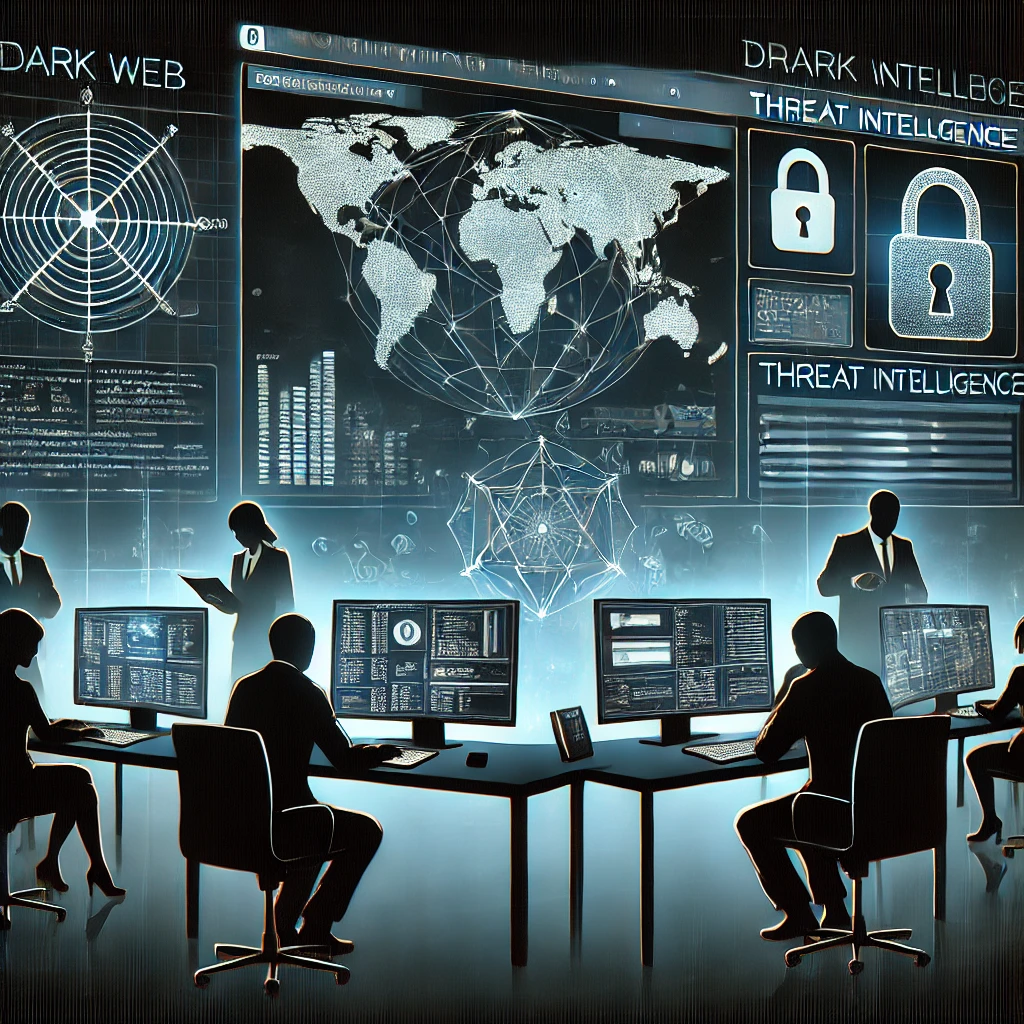
For cybersecurity experts, the Dark Web is both a challenge and a goldmine. It’s a hotbed for illegal activities and cyber threats, but also provides crucial insights into the tactics and tools used by cybercriminals. Here’s how it impacts the cybersecurity landscape:
Threat Intelligence:
Cybersecurity firms monitor the Dark Web for stolen data, impending cyber attacks, and emerging threats. This proactive approach helps mitigate risks before they escalate.
Ethical Hacking:
White hat hackers often use the Dark Web to understand the latest exploits and vulnerabilities. This knowledge is essential for developing patches and improving security measures.
Incident Response:
In the event of a data breach, the Dark Web is scanned for any signs of the stolen information. Quick detection can help take timely actions to minimize damage.
The Future of the Dark Web

As technology evolves, so does the Dark Web. The rise of cryptocurrencies has fueled anonymous transactions, while advancements in encryption make it harder to crack down on illicit activities. However, with increased awareness and better security practices, navigating the Dark Web can become safer.
Law enforcement agencies are also ramping up efforts to dismantle illegal networks. The takedown of major marketplaces like Silk Road, AlphaBay, and more notably breachforums and raidforums has shown that even the darkest corners of the web are not beyond the reach of the law.
Conclusion
The Dark Web is a fascinating, complex, and often misunderstood part of the internet. While it harbors illegal activities, it also serves as a crucial tool for privacy and free speech. For those willing to explore, it offers a glimpse into the hidden side of the digital world. But tread carefully—this shadowy realm is not for the faint of heart.
